͏ |
|
|
͏ |
|
|
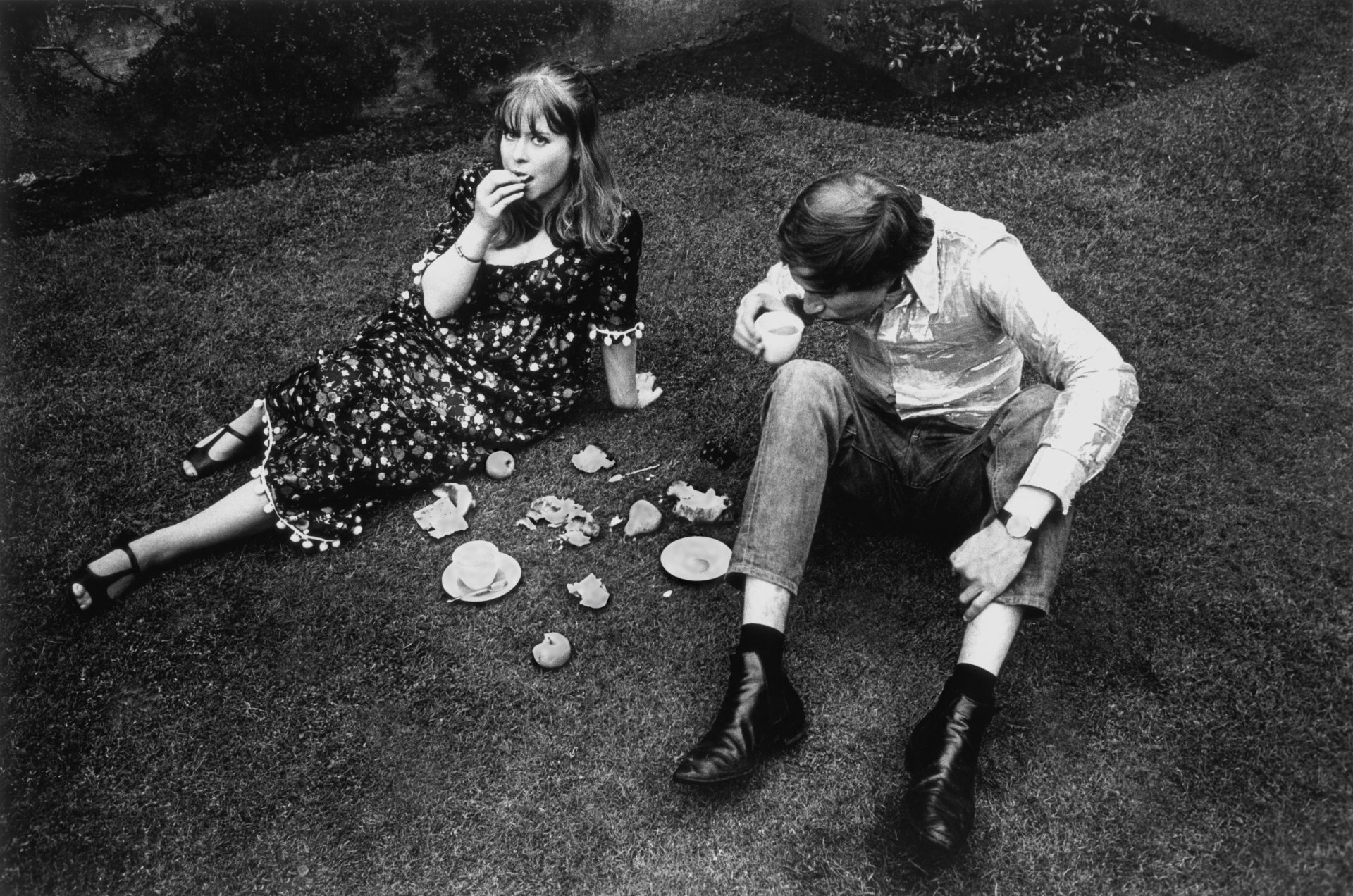
Students having a picnic on a lawn in Oxford, 1967. |
This summer, we introduce some of the best picnics in literature. |
‘Picnic season has arrived. The countryside is alive with creaking hampers, popping Tupperware and clanking bottles. The usual rules of etiquette relax at a picnic, which allows for childish fun, young love and sometimes exquisite embarrassment. Picnics can also be mysterious, or even deadly. Though the curmudgeonly narrator of John Steinbeck’s East of Eden complains that ‘nobody knows why you go to a picnic to be uncomfortable, when it is so easy and pleasant to eat at home’, the rich history of picnics in literature is proof that most of us love picnic season. |
|
|
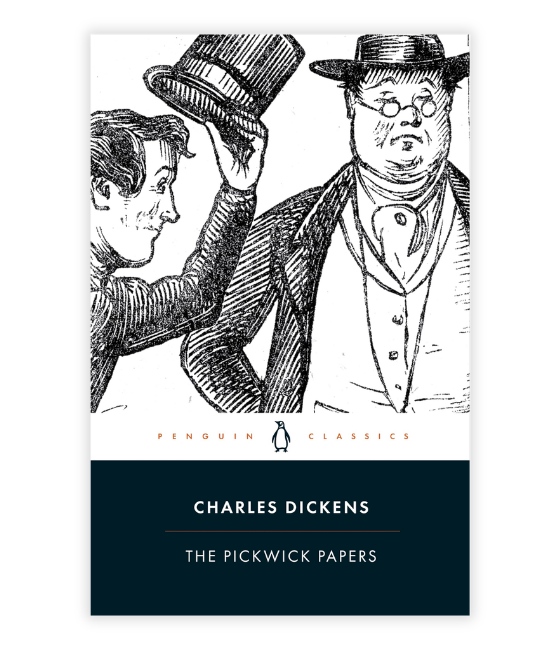
| One of the first picnics in English literature is the garden ‘banquet’ in Oliver Goldsmith’s The Vicar of Wakefield. This novel was Charles Dickens’s favourite and he later included a delightfully eccentric picnic scene in his own first novel, The Pickwick Papers: Mr Pickwick is deposited by wheelbarrow next to a bulging basket of ‘eatables’, and Sam Weller expounds on the delights of veal pie: ‘wery good thing is weal pie,’ says Sam, ‘when you know the lady as made it, and is quite sure it ain’t kittens.’ |
|
|
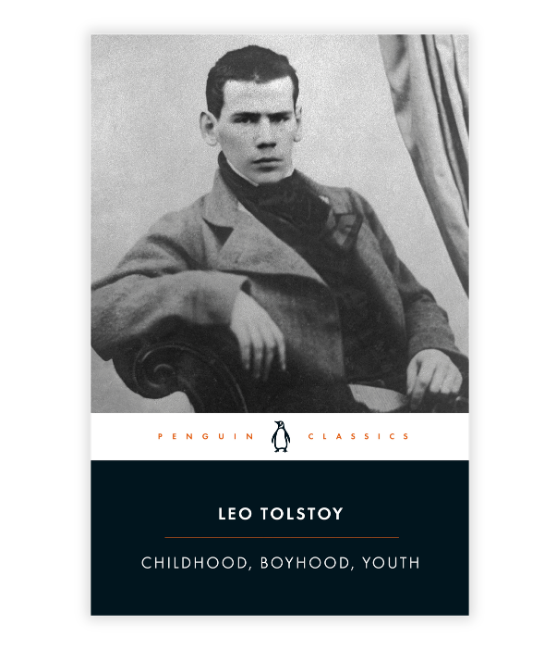
We first learn to love picnics as children, when the novelty of eating outdoors feels gently transgressive. One of the most charming childhood picnics appears in Leo Tolstoy’s first novel, Childhood, in which Nikolenka accompanies his father on a hunt and they stop for tea, ice-cream and fruit. ‘We noisily expressed our delight,’ recalls Nikolenka, ‘since drinking tea in the wood on the grass and in a place where no one had ever drunk tea before was considered a great treat.’ |
| |
|
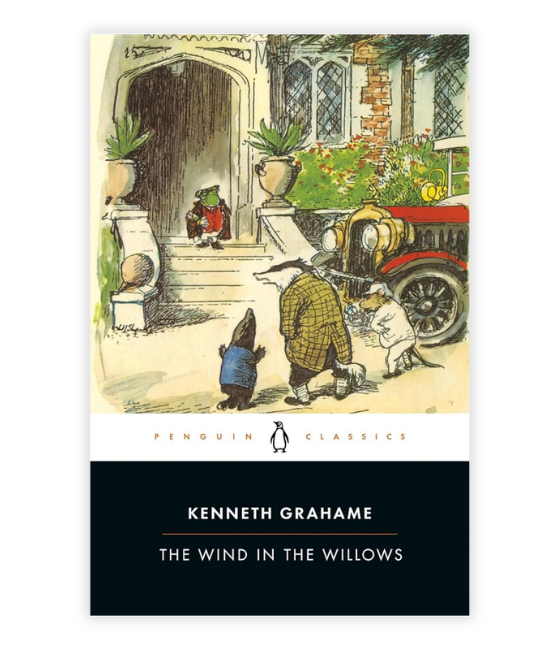
| River-picnics are particularly enjoyable. Alice’s Adventures in Wonderland and Through the Looking Glass began life as a picnic story, told on a Thames boat trip. As Ratty explains in The Wind in the Willows – ‘there is nothing – absolutely nothing – half so much worth doing as simply messing about in boats.’ He then sends Mole into raptures by producing a heaving wicker luncheon-basket filled with ‘coldtonguecoldhamcoldbeefpickledgherkinssaladfrenchrollscresssandwichespottedmeatgingerbeerlemonadesodawater—’ |
|
|
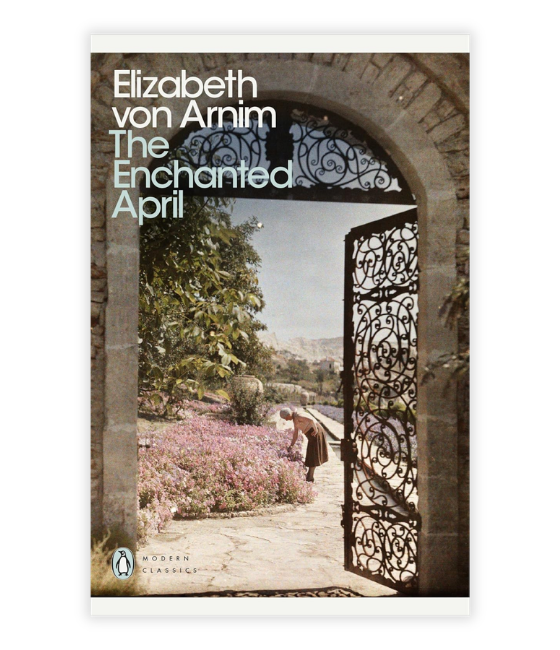
Love can burgeon at a picnic. In Elizabeth von Arnim’s The Enchanted April, Mr Briggs notices how pretty Lotty Wilkins looks, with her ‘freckles, picnic-untidiness and all’, and while Miss Bartlett sits on her mackintosh square above Fiesole in Forster’s A Room with a View, Lucy Honeychurch tumbles into a sea of violets and kisses George Emerson. In the second volume of In Search of Lost Time, Proust’s narrator recalls picnicking on the cliffs above Balbec, fascinated by the enchanting Albertine and her group of friends. |
| |
|
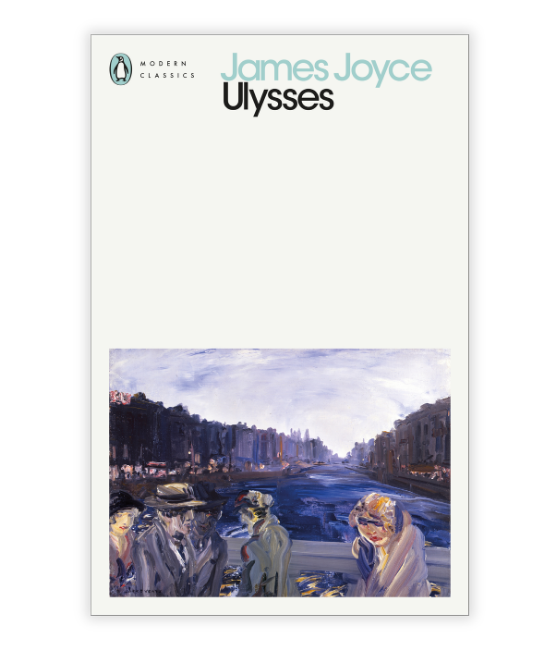
| Picnics can even become amorous. In Joyce’s Ulysses, Leopold and Molly Bloom separately recall the picnic on Howth Head when they passed moist seedcake between their mouths, made love and agreed to marry; and George Orwell, in Nineteen Eighty-Four, has Winston and Julia escape to what they think is a secluded wood to have sex and eat black-market chocolate. |
|
|
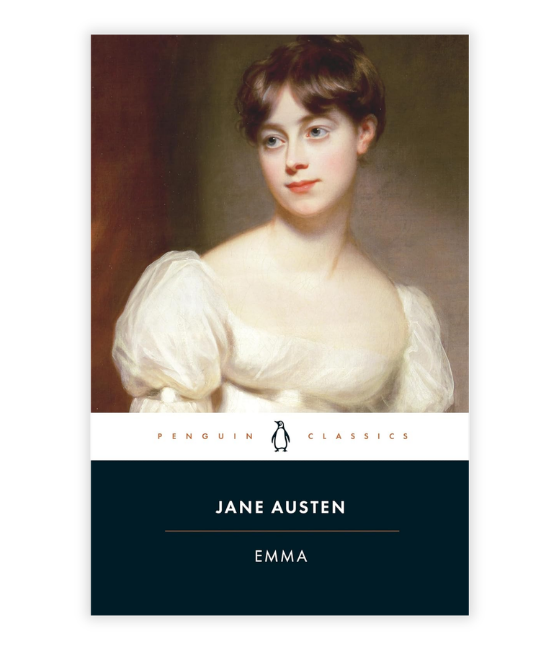
The social freedom of a picnic can engender awkwardness, however. ‘In all that jumble of napkins, packets, useless scraps of greasy paper floating around in the wind,’ writes Chekhov in ‘The Duel’, ‘no one knew where anyone else’s glass or bread was.’ But the most awkward of all literary picnics is the Box Hill excursion in Jane Austen’s Emma. While the party is enjoying their cold collation, Emma Woodhouse cannot resist a hurtful witticism at Miss Bates’s expense – something she immediately regrets. |
| |
|
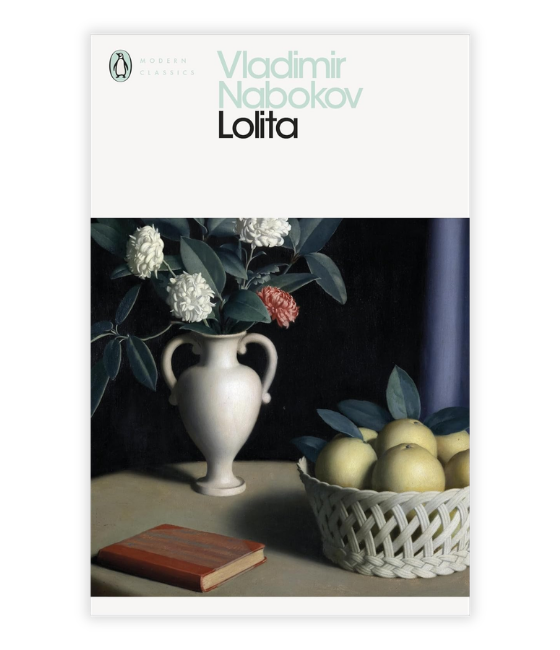
| Finally, the most dramatic literary picnic must be the one in Vladimir Nabokov’s Lolita. Humbert Humbert says, on page two: ‘My very photogenic mother died in a freak accident (picnic, lightning) when I was three.’ The comic, off-hand way with which he pairs a proverbially pleasant picnic with a fatal lightning strike perfectly captures the twisted tone of his narration. The American poet Billy Collins named one of his poetry collections Picnic, Lightning. The title poem is a memento mori, so let’s all seize the day, pack a hamper and enjoy a picnic.’ |
|
|
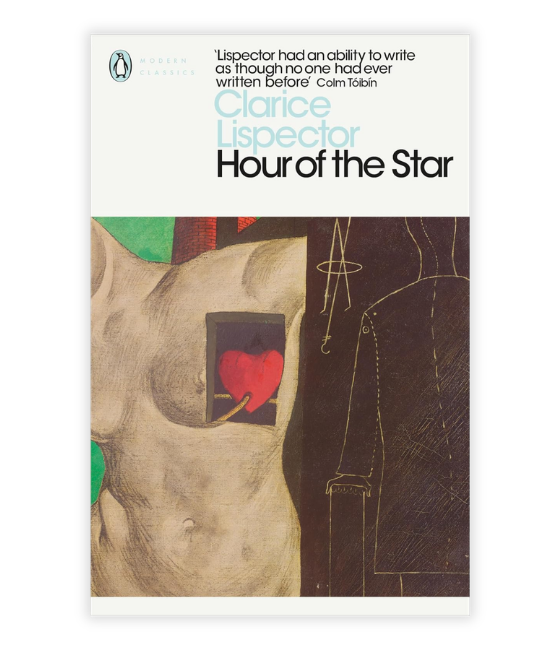
Maria Green, Editorial Assistant, recommends Hour of the Star by Clarice Lispector: ‘Lispector's daring final novel is a work of true genius. Fleeting, eccentric and subversive, it's a book about what it means to live, to write and to die – and it's short enough to read in one sitting, which I would take any opportunity to do on a sunny day in the park’ |
| |
|
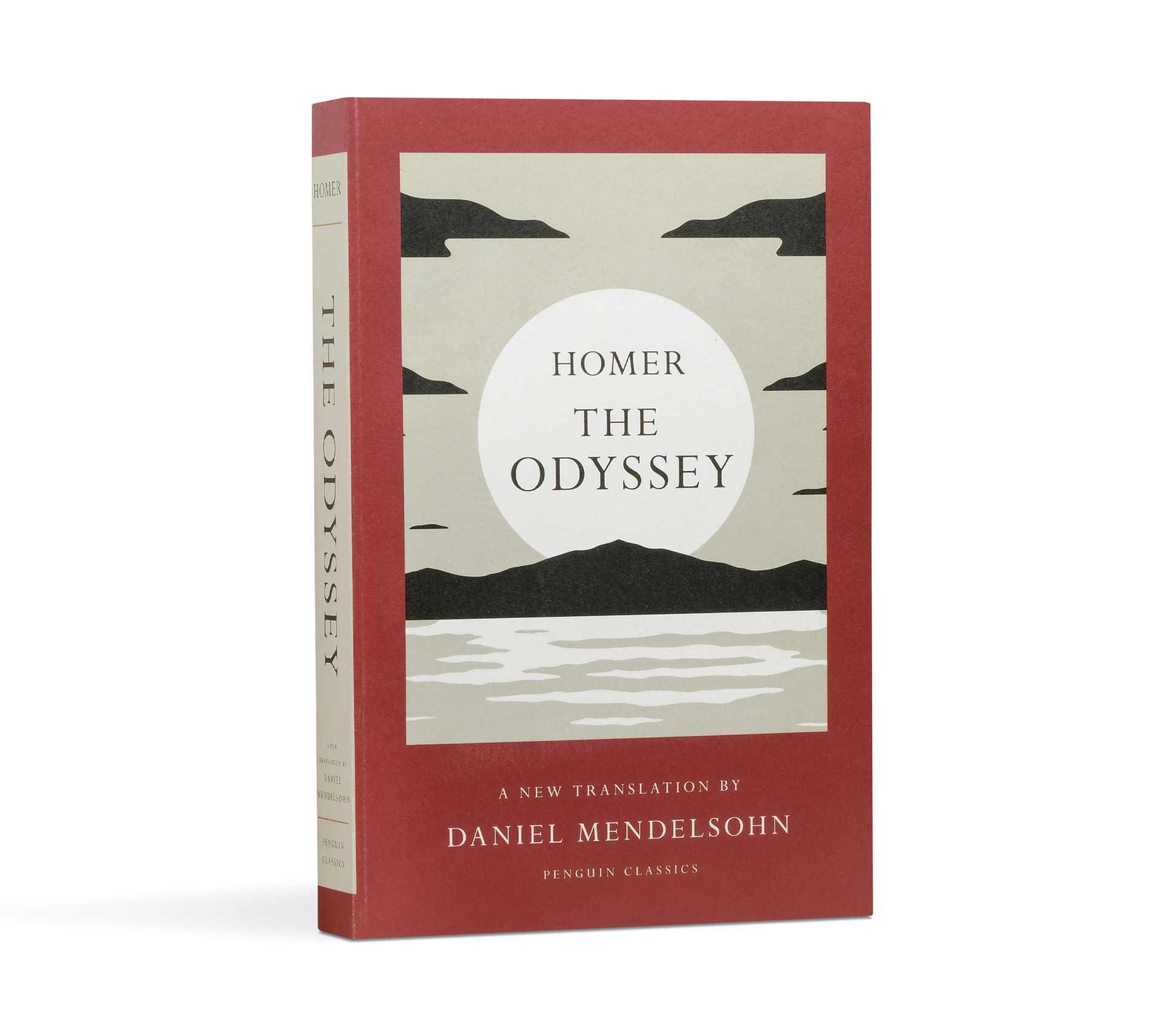
| To celebrate the publication of The Odyssey by Homer, translated by Daniel Mendelsohn, we're offering one lucky winner a copy of the book and a pair of tickets to a screening of Christopher Nolan's The Odyssey at a Picturehouse cinema of their choice. |
|
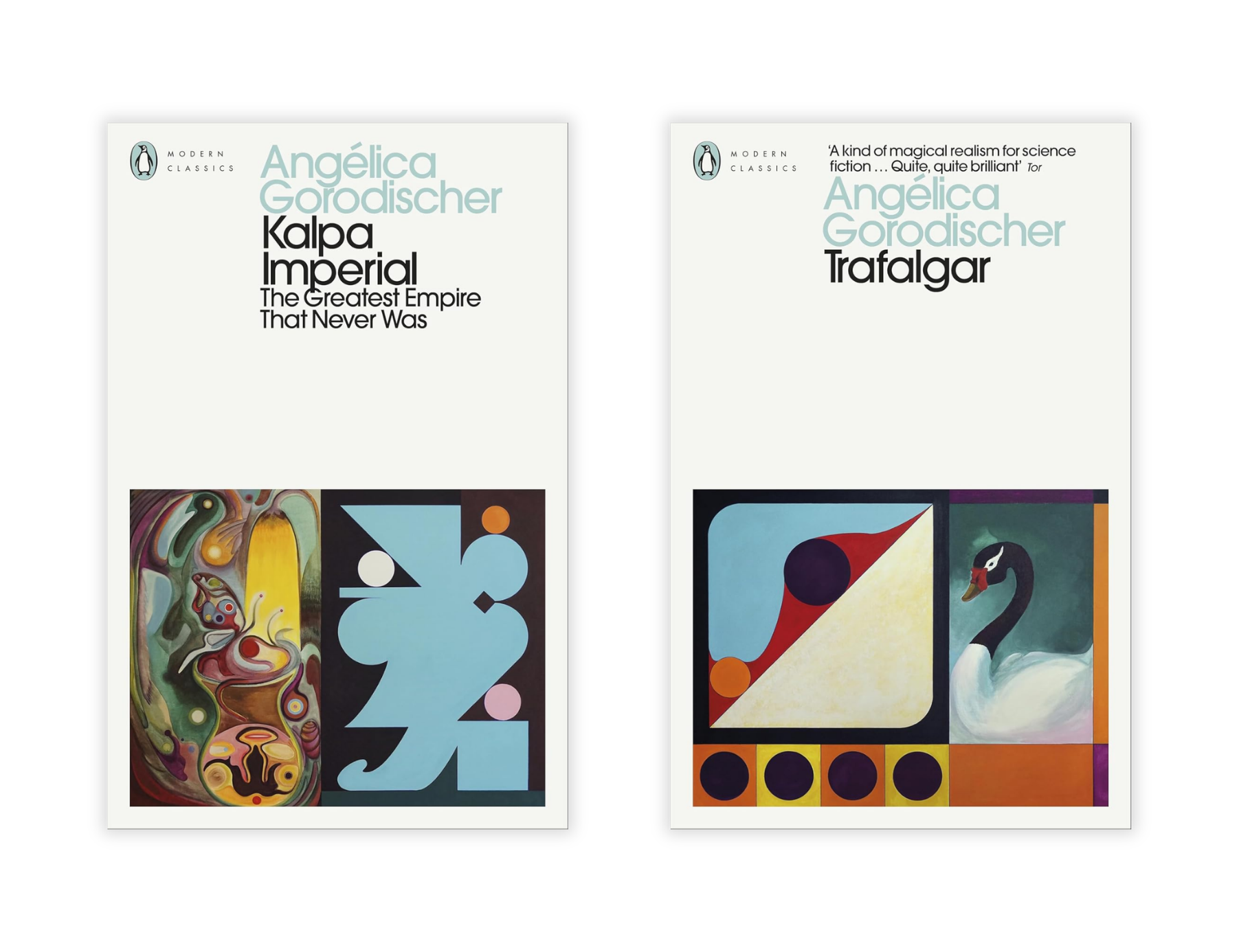
| Introducing two stunning works of speculative fiction from writer Angélica Gorodischer – Trafalgar and the fantastical Kalpa Imperial, which was translated into English by Ursula K. Le Guin. |
|
|
|