͏ |
|
|
͏ |
|
|
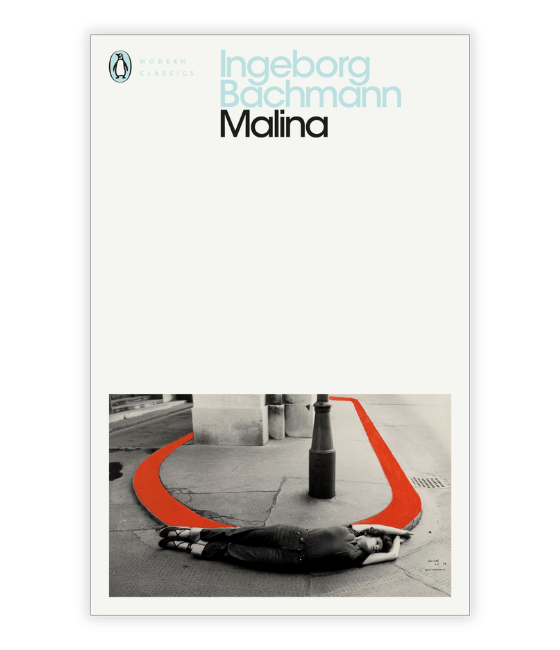
Syntagma, 1983 by VALIE EXPORT © 2026 VALIE EXPORT/DACS. Courtesy Thaddaeus Ropac Gallery, London/Paris/Salzburg/Milan/Seoul. |
To celebrate Women in Translation month, Editorial Director, Denise Rose Hansen, shares a selection of her favourite works written by women who reimagined the novel in surprising and innovative ways. |
|
|
Malina by Ingeborg Bachmann, translated by Philip Boehm If there are people in your life you keep directing internal monologues at, Malina is really redeeming. I would take this novel to a desert island. I’d also want to bring Werner Schroeter’s adaptation with Isabelle Huppert. And a wardrobe inspired by her 1990s structured blazers and neutral-tone pumps. Intense and compulsive, Malina tells the story of a writer’s relationship with two men, Ivan and Malina, who are near opposites, through a collage of forms: scripts, unsent letters, telephone conversations, and even a fairy tale fragment. As with all of Bachmann’s writing, the atrocities of the Second World War cast long shadows across every page. |
| |
|
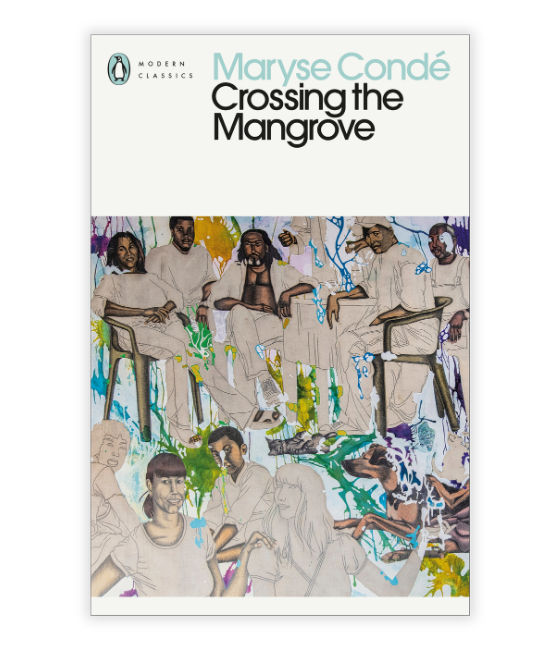
| Crossing the Mangrove by Maryse Condé, translated by Richard Philcox This novel begins with a classic noir hook: an outsider is found dead in the mud. But Condé otherwise turns narrative convention on its head. For one, the novel is structured as testimonials from nineteen different villagers gathered at the dead man’s wake. This is a novel to study for its craft, invention and subtle play with gender dynamics, and to enjoy for its polyphonic beauty and captivating account of a community. |
|
|
Natalja’s Stories by Inger Christensen, translated by Denise Newman Inger Christensen is one of the finest poets ever to have come out of Scandinavia and it is no surprise that every sentence in this slim novel crackles with arresting insight and imagination. Told over several generations, it is a story about stories: those that a migrant tells herself and her descendants as she makes sense of her life. |
| |
|
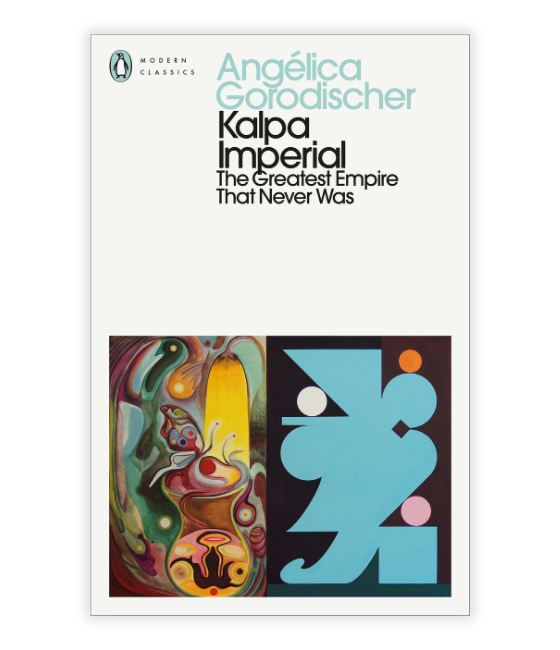
| Kalpa Imperial by Angélica Gorodischer, translated by Ursula K. Le Guin The multiple storytellers in this Argentine masterwork of speculative fiction describe a nameless empire which has risen, fallen, risen, fallen like a soufflé that just won’t bake properly. Take for instance Emperor Salo. He wants everyone to enjoy perfection and happiness. His new city will be beautiful and it will stand the test of time just by being so objectively beautiful. If that project sounds a bit exhausting in all its benevolence, it’s because it is. It’s also enormously expensive. Back to ruin, then. I lost myself wonderfully in this, quite the way I did in Mariana Enriquez’s Our Share of Night translated by Megan McDowell. Experiencing Ursula K. Le Guin as a translator makes Kalpa Imperial something of a miracle. |
|
|
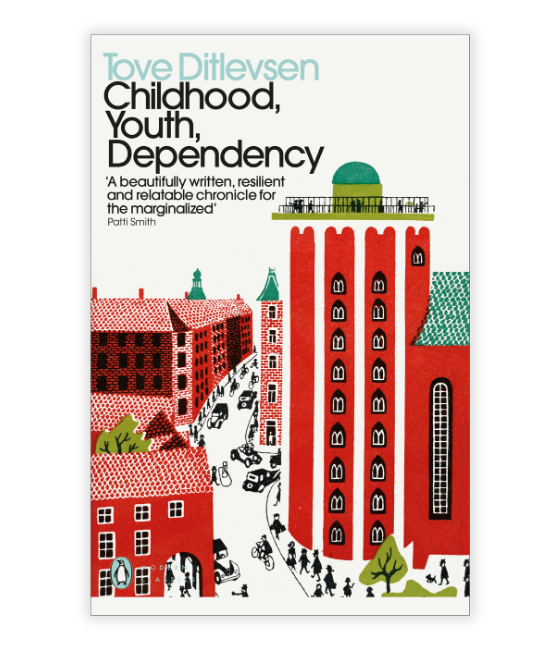
Childhood, Youth, Dependency by Tove Ditlevsen, translated by Tiina Nunnally and Michael Favala Goldman Marital collapse is all the rage right now and Dependency is a timeless and devastatingly brutal exploration of the theme. This is the third and final book in the Copenhagen Trilogy, and my favourite Ditlevsen – if only because I’ve never been able to shake it since reading. In this book alone, Tove cycles through three marriages and two divorces. Her third husband introduces her to Demerol with harrowing consequences. |
| |
|
|